Weekly Menu Structuring
Learn how to build a dynamic meal plan that adapts to your inventory levels and seasonal availability in Ottawa.
Read Full Module →
Resource Statistics
Percentage of food produced globally that is never consumed. Local Broom provides the engineering framework to eliminate this inefficiency in Ottawa households.
Sustainable resource management starts in the kitchen. We analyze the lifecycle of your groceries to maximize utility, reduce environmental impact, and stabilize your household budget through technical precision.
Explore FrameworkReducing food waste is not merely an ecological choice; it is a fundamental shift in household resource management. Every kilogram of organic material discarded represents a failure in the procurement and storage chain. By implementing a systematic approach to food handling, residents of Ottawa can reclaim approximately $1,100 per year in lost value. This involves transitioning from "impulse consumption" to a "circular cooking protocol" where every ingredient has a designated purpose across multiple meals.
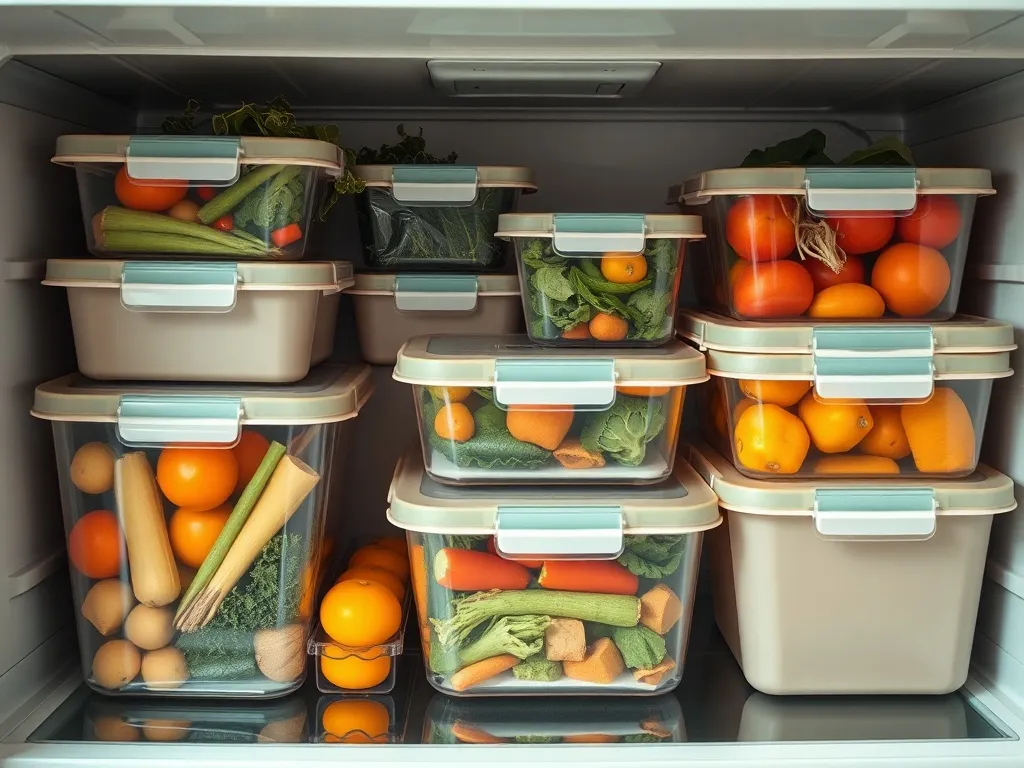
Our methodology focuses on three core pillars: Precision Procurement, Environmental Control (Storage), and Total Utilization. Through Smart Procurement, we eliminate the surplus at the point of entry. Environmental Control ensures that the biological integrity of produce is maintained using specific Preservation Engineering techniques. Finally, Total Utilization transforms potential waste—such as vegetable peels or bone scraps—into secondary resources like broths and fertilizers.
The city of Ottawa provides significant infrastructure for organic waste diversion, but the ultimate goal is reduction at the source. When we minimize what goes into the green bin, we reduce the energy required for transport and processing, effectively lowering the carbon footprint of our urban ecosystem. Local Broom is committed to providing the technical sheets and guides necessary to master this transition without sacrificing nutritional quality or variety.
"Efficiency is the byproduct of discipline. A waste-free kitchen is the sign of a managed life."
| Phase | Action Item | Resource Goal |
|---|---|---|
| Audit | Review fridge/pantry inventory | Zero redundancy |
| Procure | Bulk buying for dry goods, precise for fresh | Optimal fresh supply |
| Preserve | Vacuum sealing & humidity control | Extended shelf-life |
| Convert | Composting and stock-making | Circular recovery |
For those interested in high-capacity resource recovery, our Organic Waste Diversion guide outlines how to set up an efficient bin system even in small urban apartments.
Download our technical sheets and begin optimizing your kitchen resources today. Efficiency is a skill that pays dividends for years.