Nutrient Restoration
Reclaiming nitrogen, phosphorus, and potassium from food scraps to rebuild topsoil integrity and reduce reliance on synthetic fertilizers.
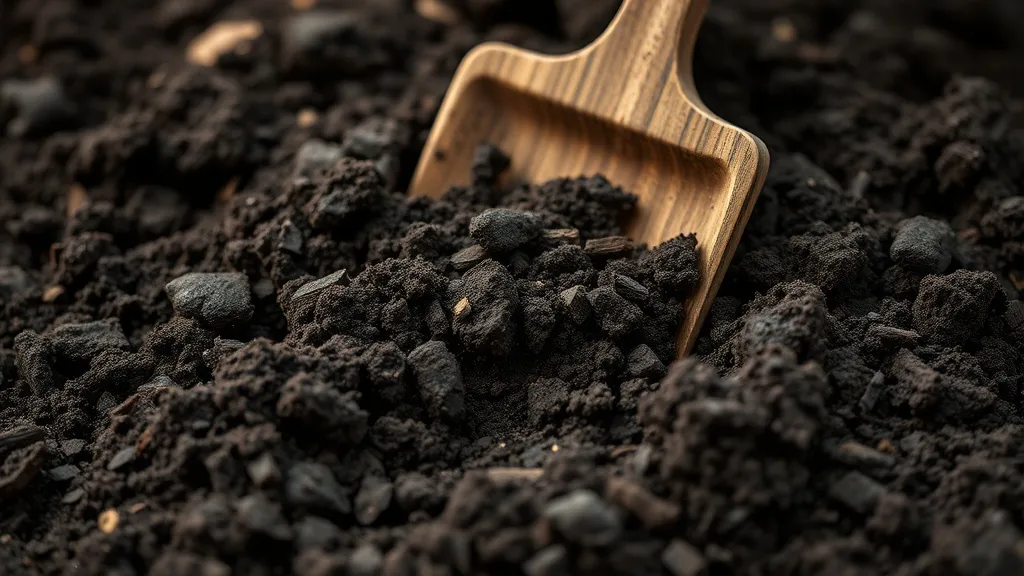
Transforming biological residuals into high-value soil amendments. Our framework focuses on technical decomposition protocols that eliminate methane emissions and stabilize nutrient cycles within the local Ottawa ecosystem.
Reclaiming nitrogen, phosphorus, and potassium from food scraps to rebuild topsoil integrity and reduce reliance on synthetic fertilizers.
Aerobic decomposition prevents the formation of methane in anaerobic landfill environments, directly lowering your carbon footprint.
Reducing the volume of municipal solid waste (MSW) leads to lower tipping fees and optimized collection logistics for households.
The municipal Green Bin program is the primary vector for organic diversion in Ottawa. It accepts all food waste, including meat, dairy, and soiled paper products. Proper utilization requires using certified compostable bags or leaf liners to maintain hygiene and facilitate industrial-scale aerobic digestion.
By strictly adhering to local sorting guidelines, residents ensure that organic matter is diverted from the Trail Road Landfill, extending the site's operational lifespan and supporting regional agricultural cycles.
Effective composting is a biochemical process that balances Carbon (Browns) and Nitrogen (Greens). Maintaining a 30:1 ratio ensures optimal microbial activity, resulting in humus-rich soil that improves water retention and plant immunity.
Integrating this compost back into local gardens completes the circular loop, as detailed in our Zero-Waste Cooking Protocols, where every byproduct becomes an input for future growth.
For urban environments with limited space, technical solutions like Bokashi (anaerobic fermentation) or vermicomposting provide efficient onsite processing. These systems allow for the rapid breakdown of organic matter without the odors associated with traditional piles.
Modern electric composters further accelerate this process, dehydrating and grinding scraps into a shelf-stable soil amendment within hours, providing a high-tech alternative for high-density living.
Download our technical sheets to start measuring your diversion rates and improving your household sustainability metrics today.
The information provided on Local Broom regarding organic waste diversion and composting systems is intended solely for educational and informational purposes. These materials serve as reference-only technical guides and do not constitute professional financial, agricultural, or legal recommendations. Users are encouraged to verify local municipal regulations in Ottawa before implementing large-scale waste management systems.
Once a week we send a digest of the best articles.