Resource Recovery
Implementing advanced storage protocols extends the utility of perishable assets by up to 40%, significantly reducing the frequency of replacement procurement.
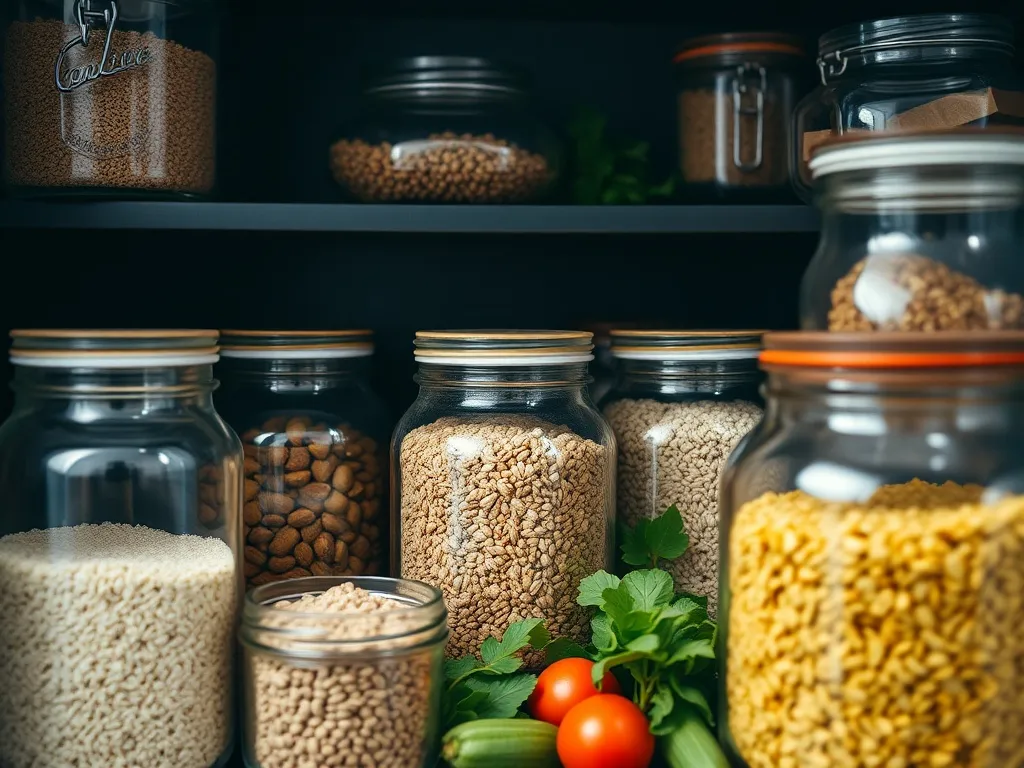
Optimizing the lifecycle of organic resources through thermal control, atmospheric management, and material science to eliminate domestic food waste.
Implementing advanced storage protocols extends the utility of perishable assets by up to 40%, significantly reducing the frequency of replacement procurement.
Scientific containment prevents cross-contamination and retards microbial growth, ensuring the biological safety of stored nutrients for extended periods.
By reducing waste, households experience a direct decrease in monthly expenditure, facilitating a more sustainable and resilient domestic economy.
Ethylene is a naturally occurring plant hormone that triggers the ripening process. In a confined storage environment, high-ethylene emitters like apples, bananas, and tomatoes can accelerate the decay of sensitive neighbors such as leafy greens and carrots. Effective storage engineering requires the spatial separation of these biological categories.
To maximize shelf life, one must identify the "climacteric" status of produce. We recommend a dual-zone cooling approach where gas-sensitive items are stored in sealed, breathable containers, while emitters are kept in ventilated areas. This technical separation prevents the feedback loop of premature senescence and rot.
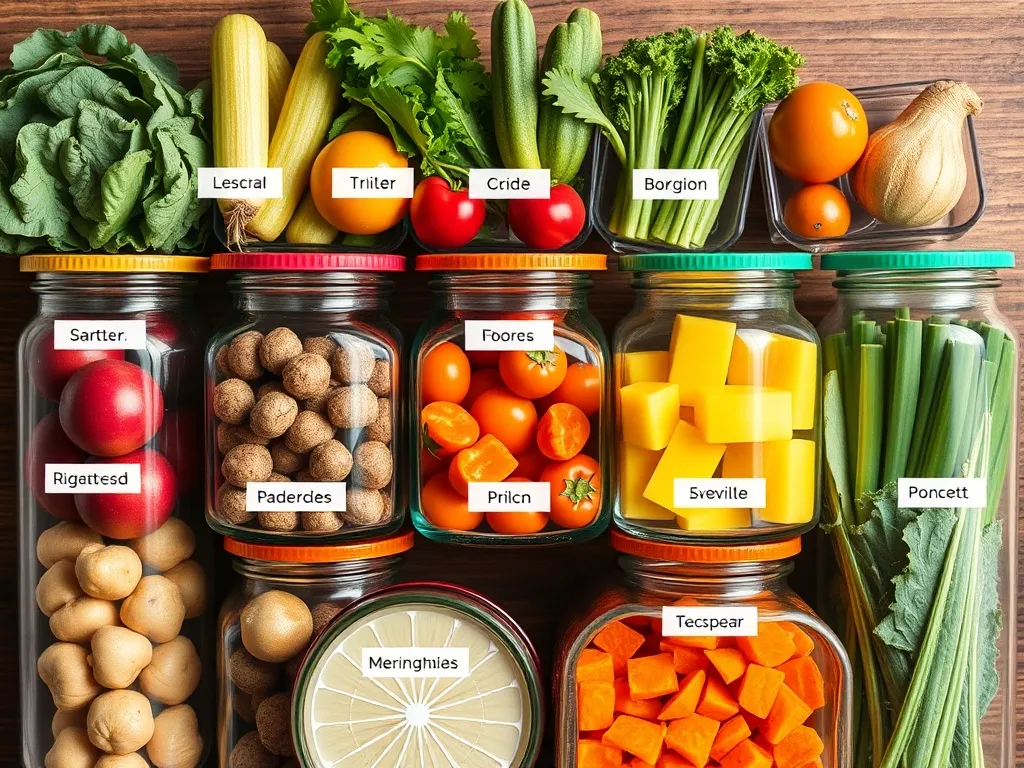
Freezing is not merely cooling; it is the management of ice crystallization to preserve cellular integrity. Use this matrix to select the correct protocol for your inventory.
| Product Category | Pre-Treatment | Storage Method | Max Duration |
|---|---|---|---|
| Leafy Greens (for cooking) | Blanching (2 mins) + Ice Bath | Vacuum Sealed Bags | 8-12 Months |
| Berries & Small Fruits | Flash Freeze (Single Layer) | Silicone Bags / Glass Jars | 6 Months |
| Aromatic Herbs | Finely Chopped in Oil/Water | Ice Cube Trays | 4 Months |
| Root Vegetables | Dicing + Blanching (3-5 mins) | Rigid Containers | 12 Months |
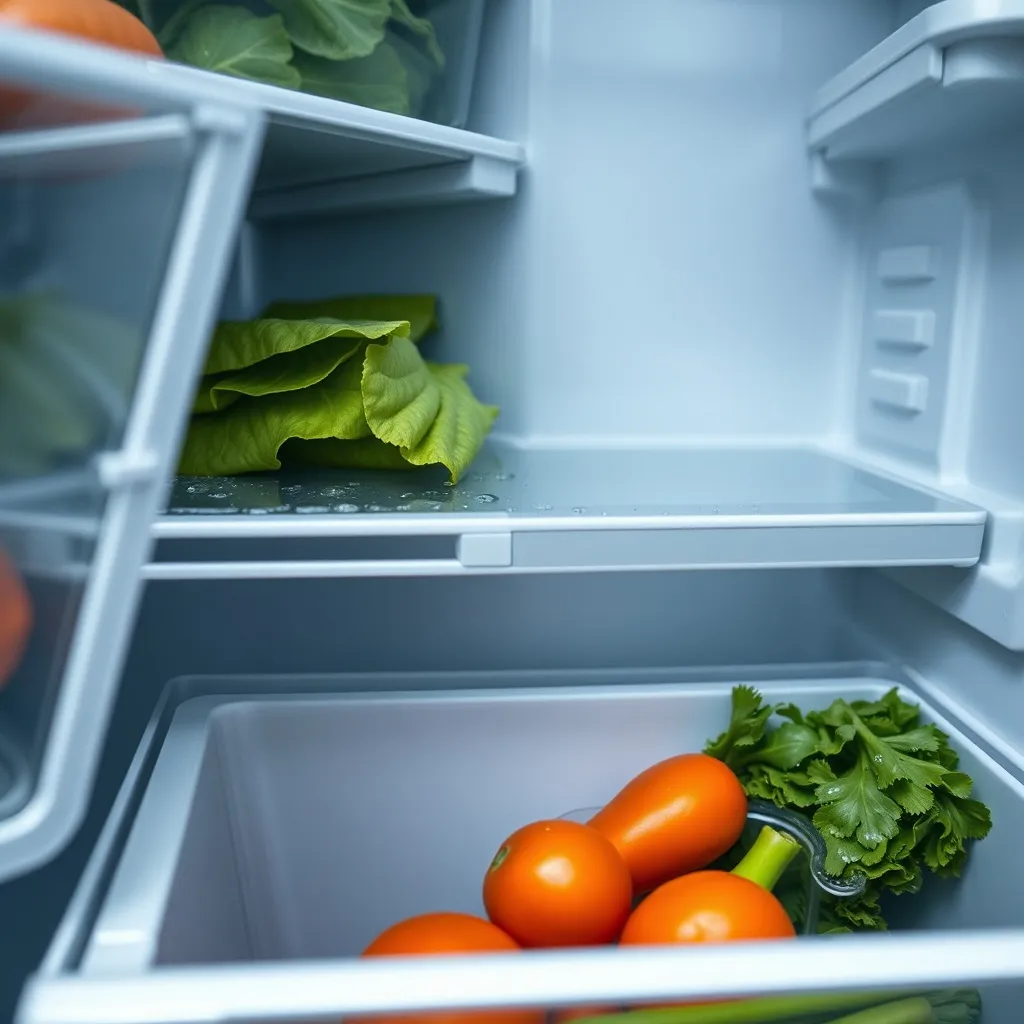
Most modern refrigeration units feature dual-crisper drawers designed for specific humidity levels. Understanding the physics of transpiration—the process where plants lose water through their skin—is critical to preventing wilting. High-humidity zones are essential for items that are sensitive to moisture loss but do not produce ethylene.
Conversely, low-humidity zones are engineered for produce that requires airflow to prevent rot. By keeping the vent open, you allow ethylene gas and moisture to escape, creating a dry environment suitable for fruits with tough skins. Correct calibration of these zones can extend the crispness of vegetables by several days compared to haphazard storage.
Broccoli, Carrots, Cauliflower, Leafy Greens, Cucumbers.
Apples, Pears, Avocados, Melons, Stone Fruits.
The chemical and physical properties of storage vessels directly impact nutrient retention and waste prevention.
Borosilicate glass is non-porous and chemically inert, meaning it does not absorb odors or leach endocrine-disrupting chemicals into food. Its thermal shock resistance makes it ideal for transitioning from freezer to oven, supporting a Weekly Menu Structuring workflow where meals are prepped and stored in the same vessel.
Food-grade silicone offers a durable, flexible alternative to single-use plastics. Its gas permeability can be utilized to allow produce to "breathe" while maintaining a barrier against external contaminants. When combined with vacuum sealing technology, it becomes a powerful tool for long-term protein storage.
Modern storage engineering incorporates potassium permanganate sachets or specialized ceramic disks that chemically neutralize ethylene gas within a container. Integrating these into your Shopping Optimization routine allows for bulk purchasing of produce without the risk of synchronized spoilage.
In most cases, no. Moisture promotes bacterial growth and mold. Wash produce immediately before consumption. If you must wash it, ensure it is mechanically dried or spun before entering a humidity-controlled zone.
Freezer burn is caused by sublimation—water evaporating from the food and freezing on the surface. To prevent this, eliminate all air from the packaging using vacuum sealers or the water displacement method in silicone bags.
Yes. Photo-oxidation can degrade oils, spices, and grains. Store dry goods in opaque containers or dark pantries to maintain nutritional density and flavor profiles.
Combine storage engineering with data-driven tracking to see immediate results in your household efficiency.