Zero-Waste Logistics
Systematic reduction of packaging waste and carbon footprints through optimized acquisition routes and volume control.
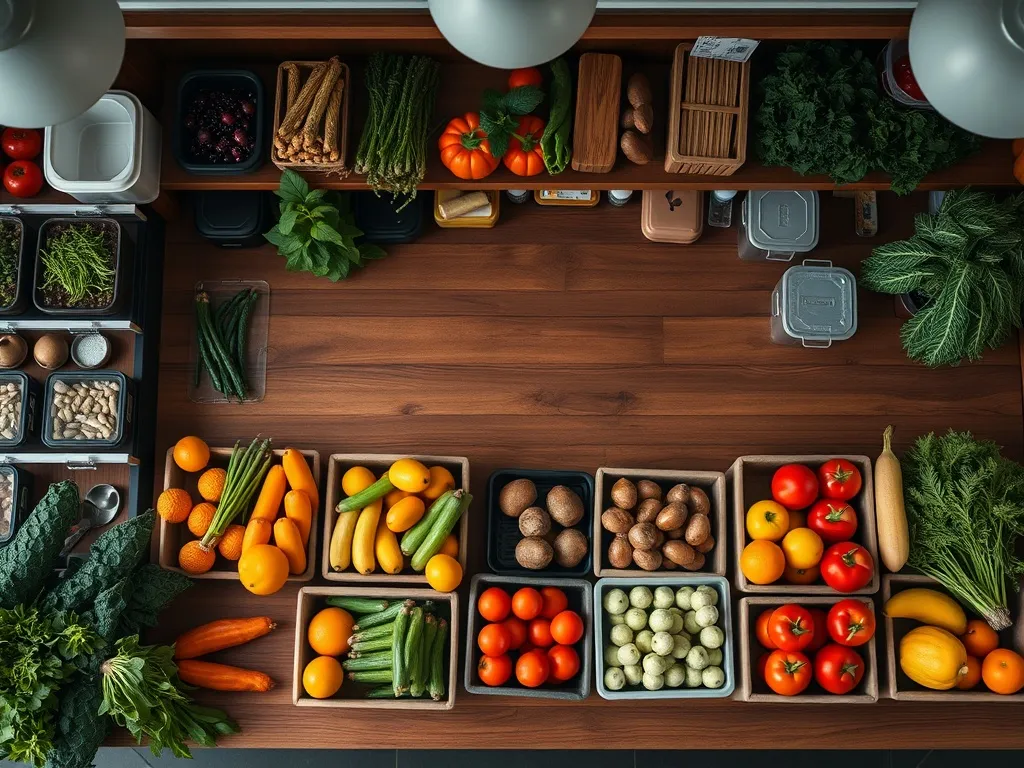
Precision-based shopping protocols designed to eliminate over-purchasing and stabilize the local food circularity loop.
Systematic reduction of packaging waste and carbon footprints through optimized acquisition routes and volume control.
Direct correlation between precise list management and a 20-30% reduction in monthly food expenditure for the average household.
Prioritizing regional producers to ensure seasonal freshness and minimize long-distance transportation spoilage.
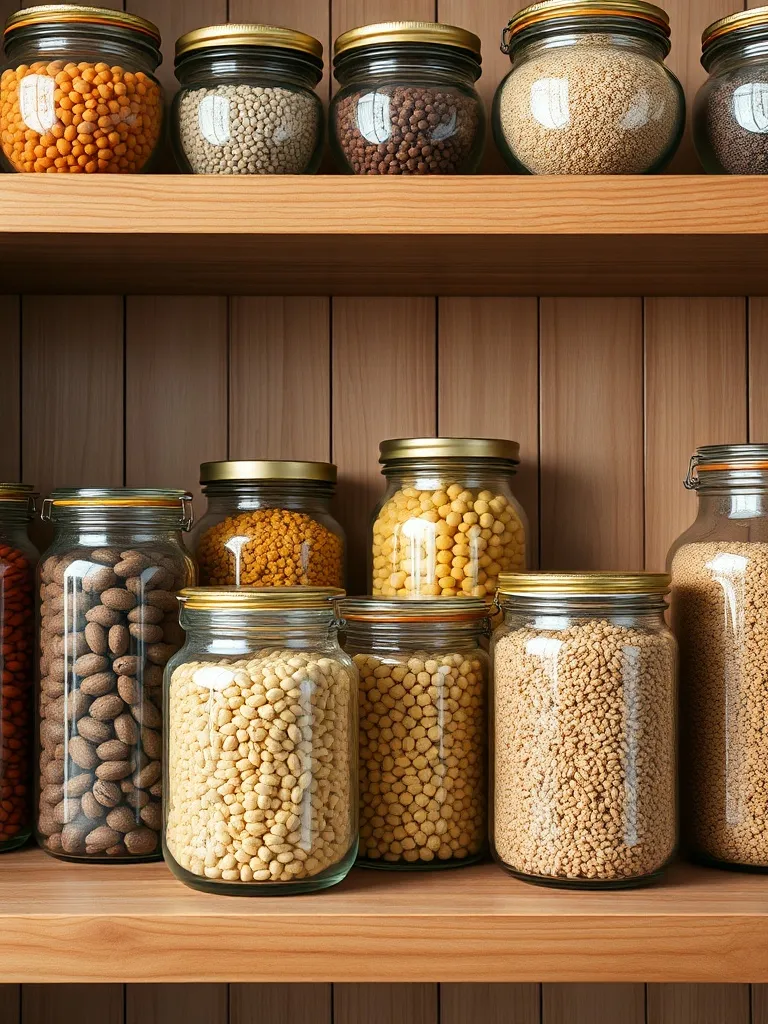
Buying in bulk is only sustainable if the consumption rate matches the product's shelf life. We utilize a data-driven approach to determine which dry goods and long-term staples justify larger volume purchases based on your actual waste metrics.
By centering your procurement on high-turnover items like grains and pulses, you reduce secondary packaging and stabilize your pantry against market fluctuations while ensuring zero organic waste from spoilage.
Understanding the distinction between "Best Before" and "Use By" dates is critical for reducing premature disposal. "Best Before" is a quality indicator, not a safety deadline, and many products remain viable long after this technical window.
Our system teaches users to identify optimal storage indicators and ingredient sourcing codes, ensuring you purchase the most durable products available. Combine this with our preservation engineering protocols for maximum shelf life.
Automate your procurement by syncing your weekly menu structure with a dynamic shopping list. This eliminates impulse buys and ensures every item in the cart has a pre-determined destination in your cooking protocol.
Utilize regional maps to source from farmers' markets and local cooperatives. Sourcing closer to the origin reduces the time products spend in transit, resulting in higher nutrient density and extended freshness once the food enters your home environment.
Download our technical sheets to start mapping your local food ecosystem and reducing unnecessary expenditure today.
Get Technical Guides