Too Good To Go
Retail & Bakery Surplus
A marketplace for "Surprise Bags" allowing businesses to sell end-of-day stock at a fraction of the price, preventing waste at the retail level.
Learn Procurement Tips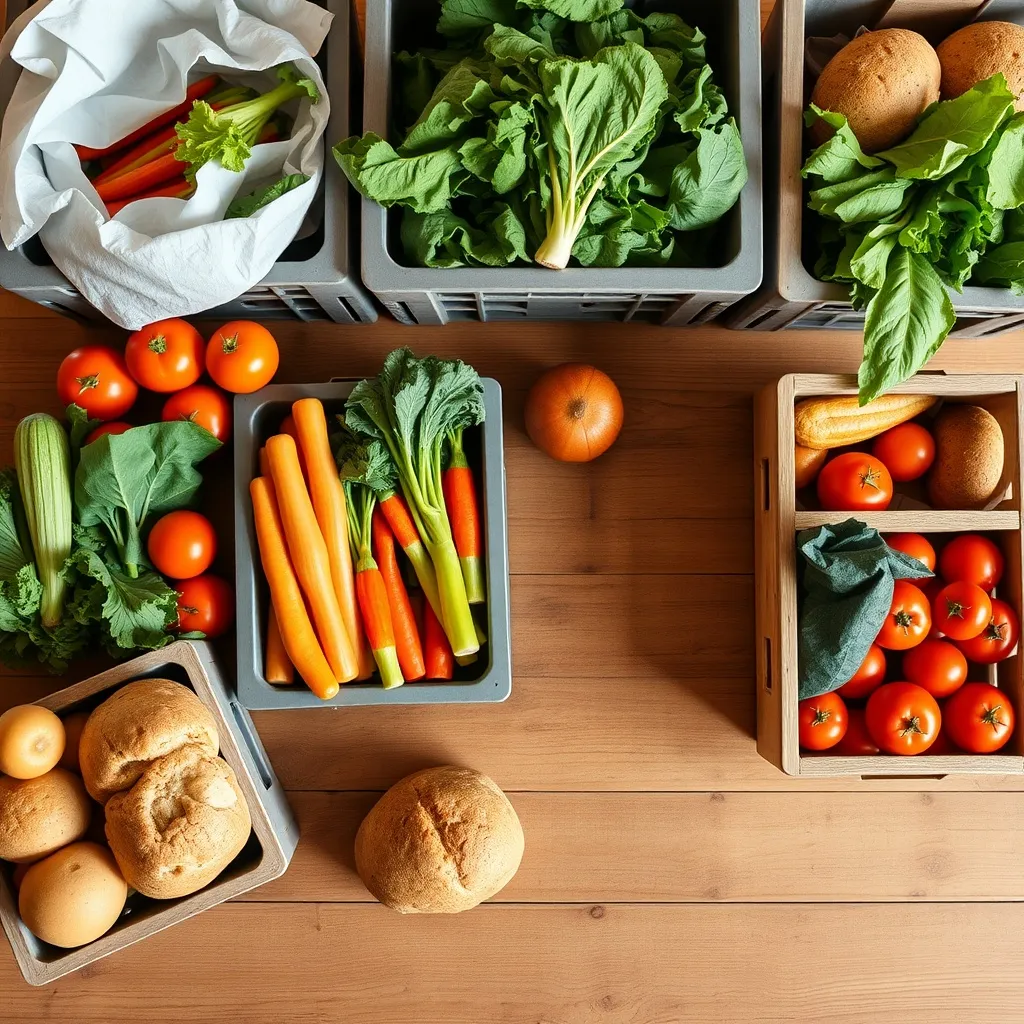
Transforming surplus into community value. We provide the technical framework and logistical standards for shifting excess calories from landfill to table through structured sharing networks.
View Safety ProtocolsGlobal Food Loss
Nearly half of all produced food is discarded before consumption, representing a massive systemic inefficiency.
Local Food Insecurity
One in eight households lacks consistent access to nutritious food while nearby businesses dispose of edible surplus.
Annual Tons Recoverable
The estimated volume of high-quality surplus that could be redirected via optimized sharing apps and community fridges.
Effective redistribution begins with adherence to strict quality benchmarks. Not all surplus is suitable for donation, and maintaining the dignity of recipients requires a commitment to high-standard logistics. Businesses must distinguish between organic waste suitable for composting systems and high-quality surplus intended for human consumption.
Our framework ensures that donations are tracked, temperature-controlled, and correctly categorized. This systematic approach reduces the burden on food bank volunteers who often spend hours sorting through unusable items.
Shelf-Stable Goods: Canned proteins, whole grains, and legumes within 6 months of the "Best Before" date.
Fresh Produce: Firm fruits and vegetables without visible bruising, mold, or structural breakdown.
Dairy & Proteins: Items must have at least 48 hours of remaining shelf life and proof of continuous cold-chain storage.
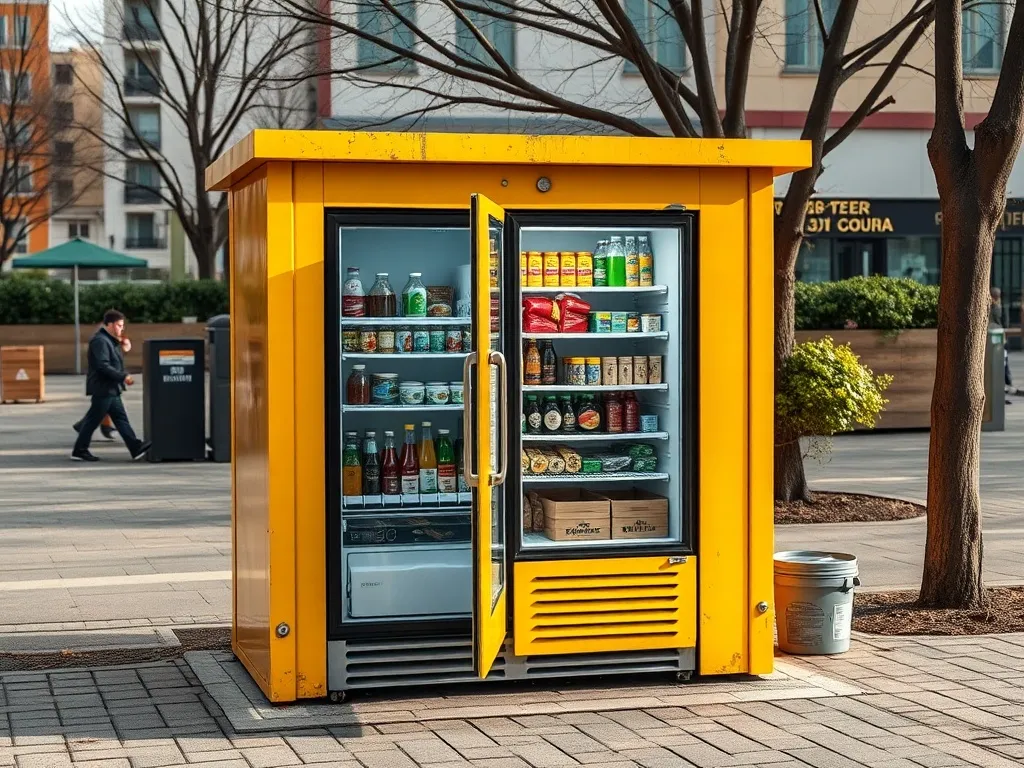
"A community fridge is not just a tool for food security; it is a monument to collective responsibility and hyper-local resource management."
Community fridges operate on the principle of "Take what you need, leave what you can." Unlike formal charities, they provide 24/7 access without the barrier of paperwork or proof of income. However, their success depends on a network of dedicated volunteers who perform daily temperature checks and hygiene audits.
Located in high-traffic, well-lit pedestrian zones to ensure safety and accessibility.
Daily cleaning cycles and disposal of any items that no longer meet safety standards.
Ensuring the health of our community through rigorous technical standards. Safety is never secondary to redistribution.
In many jurisdictions, the Good Samaritan Act protects donors from liability when food is donated in good faith. However, this protection requires adherence to basic safety protocols. Donors must ensure that food has not been temperature-abused and that packaging remains intact. For professional kitchens, utilizing circular cooking protocols can help identify surplus before it reaches a critical safety threshold.
The most significant risk in food redistribution is the break in the cold chain. High-risk foods (meat, dairy, cooked meals) must be maintained at or below 4°C (40°F) during transport. We recommend the use of insulated thermal carriers and data loggers for any transfer exceeding 20 minutes in duration. Proper preservation engineering at the source is vital for extending the window of safe redistribution.
When in doubt, discard. The goal of redistribution is to provide nourishment, and any risk of foodborne illness outweighs the benefit of waste reduction.
Ready to implement professional waste tracking and redistribution systems in your organization? Start with our technical resource library.