Resource Efficiency
Reduce waste output by up to 40% through systematic utilization of non-traditional parts. This protocol directly supports regional sustainability goals by lowering landfill contributions.
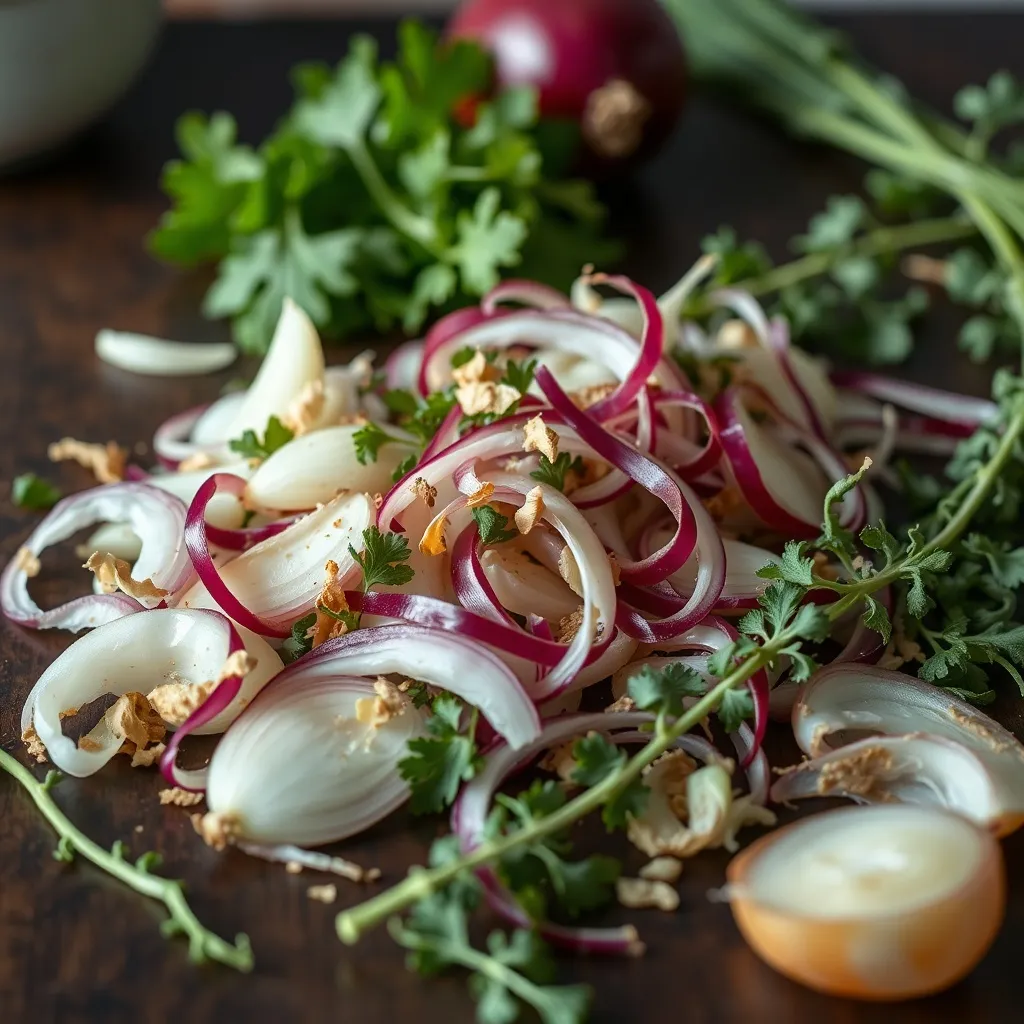
Transform discarded organic matter into high-value culinary components. Our engineering-led approach to circular cooking minimizes environmental impact while maximizing the extraction of nutrients and flavor from every raw ingredient.
Reduce waste output by up to 40% through systematic utilization of non-traditional parts. This protocol directly supports regional sustainability goals by lowering landfill contributions.
Lower procurement costs by extending the yield of each purchase. By utilizing stems, peels, and seeds, you effectively lower the price-per-portion of every meal prepared.
Many skins and stems contain higher concentrations of fiber and micronutrients than the flesh. Our protocols ensure these nutrients are retained and bioavailable.
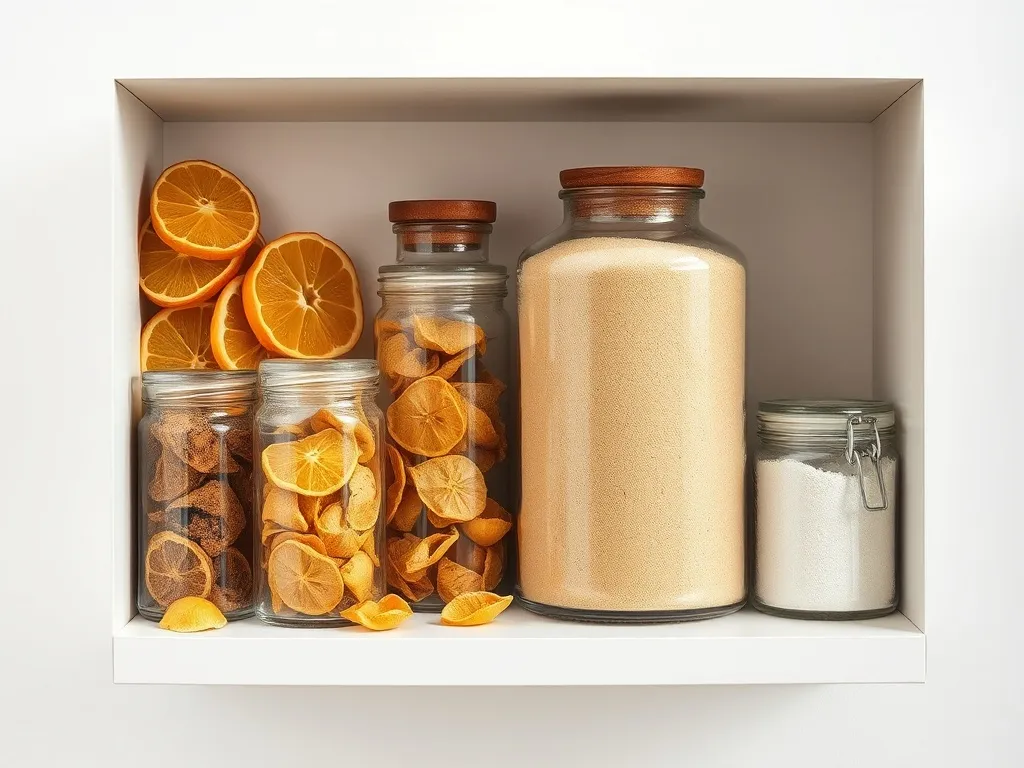
Byproducts in a kitchen environment are often viewed as refuse, yet they represent a secondary resource stream that remains largely untapped. A systematic audit of your kitchen output reveals that approximately 30% of what is currently discarded can be repurposed into functional ingredients. For instance, citrus rinds can be dehydrated and ground into powders for seasoning, while whey from yogurt production serves as a powerful acidulant for marinades or sourdough starters.
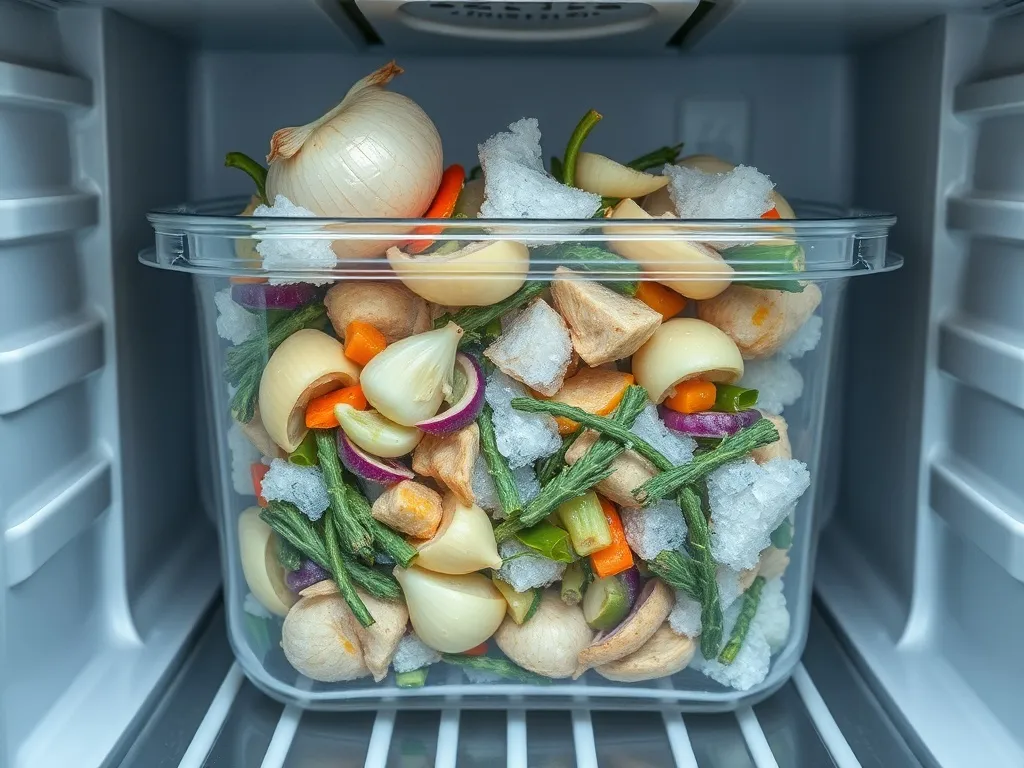
To implement this guide, begin by segregating "clean" waste—organic matter that has been washed but not yet processed. This includes carrot tops, herb stems, and the fibrous ends of asparagus. By establishing a dedicated container for these items, you create a baseline for circularity that integrates seamlessly into existing stock audit and inventory management routines.
Standardize your cutting techniques to ensure that even the parts typically discarded are uniform in size. Broccoli stalks, when peeled of their woody exterior, provide a texture similar to water chestnuts and can be julienned for stir-fries.
Fibrous stems from kale or collard greens require longer thermal processing. Blanching these parts separately before incorporating them into the final dish ensures consistency in mouthfeel while maintaining structural integrity.
Pickling is the most effective method for processing watermelon rinds or chard stems. Using a 3:2:1 brine ratio (water, vinegar, sugar) creates a shelf-stable condiment that utilizes 100% of the plant mass.
The creation of stock is the ultimate circular cooking protocol. However, efficiency is lost when scraps are simply thrown into water without consideration for flavor balance. Our technical sheet for broth optimization suggests a ratio of 2 parts aromatics (onion skins, leek greens) to 1 part root trimmings (carrot peels, parsnip ends). Avoid brassicas like cabbage or kale in long-simmered stocks as they introduce sulfurous off-flavors.
For maximum flavor extraction, roast your vegetable scraps at 200°C for 15 minutes before simmering. This caramelizes the sugars and deepens the color of the resulting broth. Once the extraction is complete, the remaining solids can then be transitioned to organic waste diversion systems, completing the cycle of resource use.
Instead of composting, certain vegetable bases can be reactivated in water to produce fresh greens, further reducing the need for new procurement. This is a practical application of biological regeneration within the household.
Leave 1 inch of the white base and place in a shallow glass of water. Regrowth occurs within 5-7 days.
Place the heart in 1/2 inch of water. New leaves will emerge from the center within a week.
Submerge the base in warm water. Once new leaves appear, transplant to soil for sustained growth.
Soak a piece of rhizome overnight and plant in potting soil. This provides a perpetual supply of fresh roots.
Most skins are safe if thoroughly cleaned. However, avoid skins from non-organic produce that may contain pesticide residues, and never consume the skins of potatoes that have turned green, as they contain solanine.
Scraps should be stored in an airtight container in the freezer for no more than 3 months. Storing in the refrigerator is only recommended for up to 3 days to prevent enzymatic breakdown and mold.
Initially, yes, due to the learning curve of new techniques. However, once integrated into a weekly menu structure, the time spent is offset by fewer trips to the store and reduced waste disposal efforts.
Download our technical sheets to start your transition toward a zero-waste culinary infrastructure today.
Access Resource Library