Quantitative Logging
Implementation of precision weighing stations to record every gram of organic outflow before it leaves the processing area.
View Audit Methods →Precision monitoring of organic outflows. Transform discarded resources into measurable financial savings through rigorous audit protocols and environmental impact analysis.
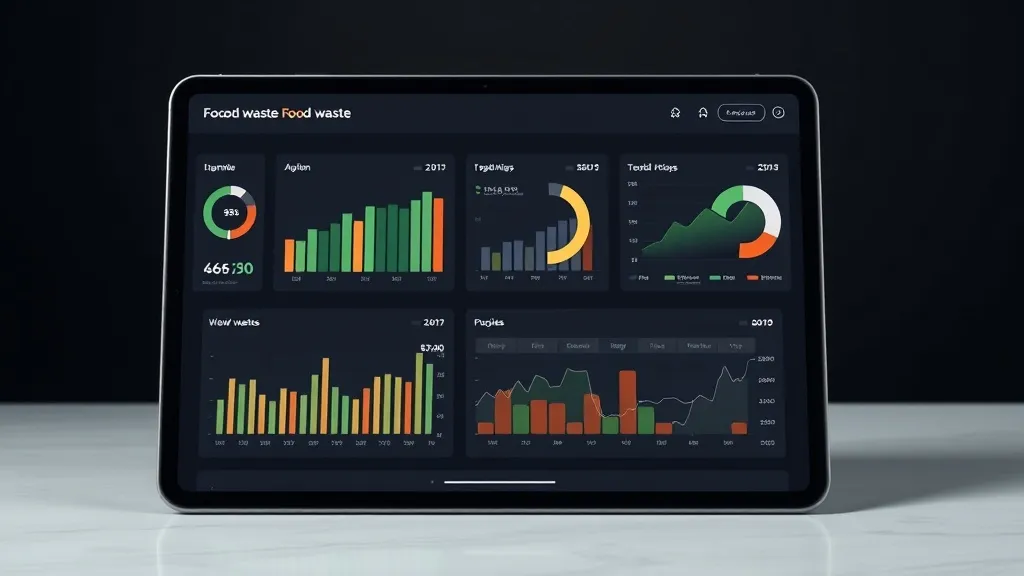
Most households and commercial kitchens underestimate the financial leakage associated with food waste by nearly 40%. Tracking waste is not merely an ecological exercise; it is a fundamental component of fiscal responsibility. When food is discarded, you aren't just losing the raw product cost. You are losing the energy used for refrigeration, the labor costs of preparation, the water utilized during cleaning, and the logistical expenses of disposal. By implementing a systematic tracking approach, you transform "invisible" losses into actionable data points.
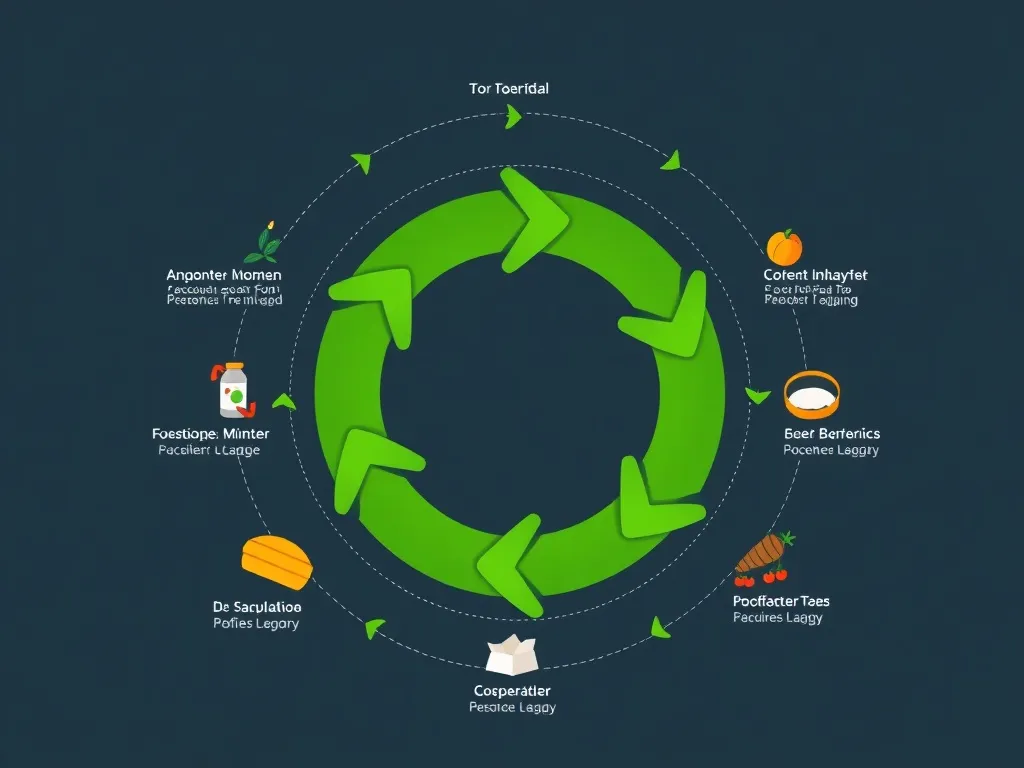
Understanding the distinction between avoidable and unavoidable waste is the first step in our audit process. Avoidable waste—such as expired pantry items or over-prepared portions—represents direct profit loss. Unavoidable waste, like vegetable peelings or bones, offers an opportunity for secondary resource recovery through composting systems. Detailed metrics allow you to identify specific categories where procurement strategies are failing, enabling a shift toward a more circular kitchen economy.
To effectively manage these metrics, we utilize a tiered reporting structure. This involves daily logging of discarded weights, categorization by food group, and cross-referencing against weekly procurement invoices. This level of granularity is essential for those utilizing our stock audit and inventory management services. The ultimate goal is to reach a state where resource inflow perfectly matches consumption demand, eliminating the need for high-frequency disposal cycles.
Implementation of precision weighing stations to record every gram of organic outflow before it leaves the processing area.
View Audit Methods →Dividing waste into proteins, produce, dairy, and grains to identify which supply chains require immediate optimization.
Optimize Planning →Analyzing the root cause of disposal—whether due to spoilage, over-purchasing, or improper storage techniques.
Storage Solutions →The average family of four in Ottawa loses approximately $1,200 to $1,500 annually through avoidable food waste. Our tracking systems provide a transparent view of these losses, categorized by financial quarter. By reducing waste by just 25%, most households can offset their entire monthly utility bill.
Weekly Waste Avg
Water Embedded Loss
CO2 Emission Impact
Diversion Potential
All benchmarks are calculated based on municipal standards and regional organic processing capabilities. By aligning your household with these benchmarks, you contribute to a more sustainable local ecosystem.
Food waste in landfills produces methane, a greenhouse gas significantly more potent than carbon dioxide. Our tracking metrics extend beyond the wallet to measure your specific reduction in methane potential. By utilizing zero-waste cooking protocols, you directly minimize the load on Ottawa's waste management infrastructure.
We provide quarterly impact statements for our clients, translating kilograms of diverted waste into clear environmental equivalents, such as trees planted or car miles avoided. This data-driven approach fosters a culture of long-term environmental stewardship.

Download our technical sheets or consult with our team to implement a professional tracking system in your home or facility.