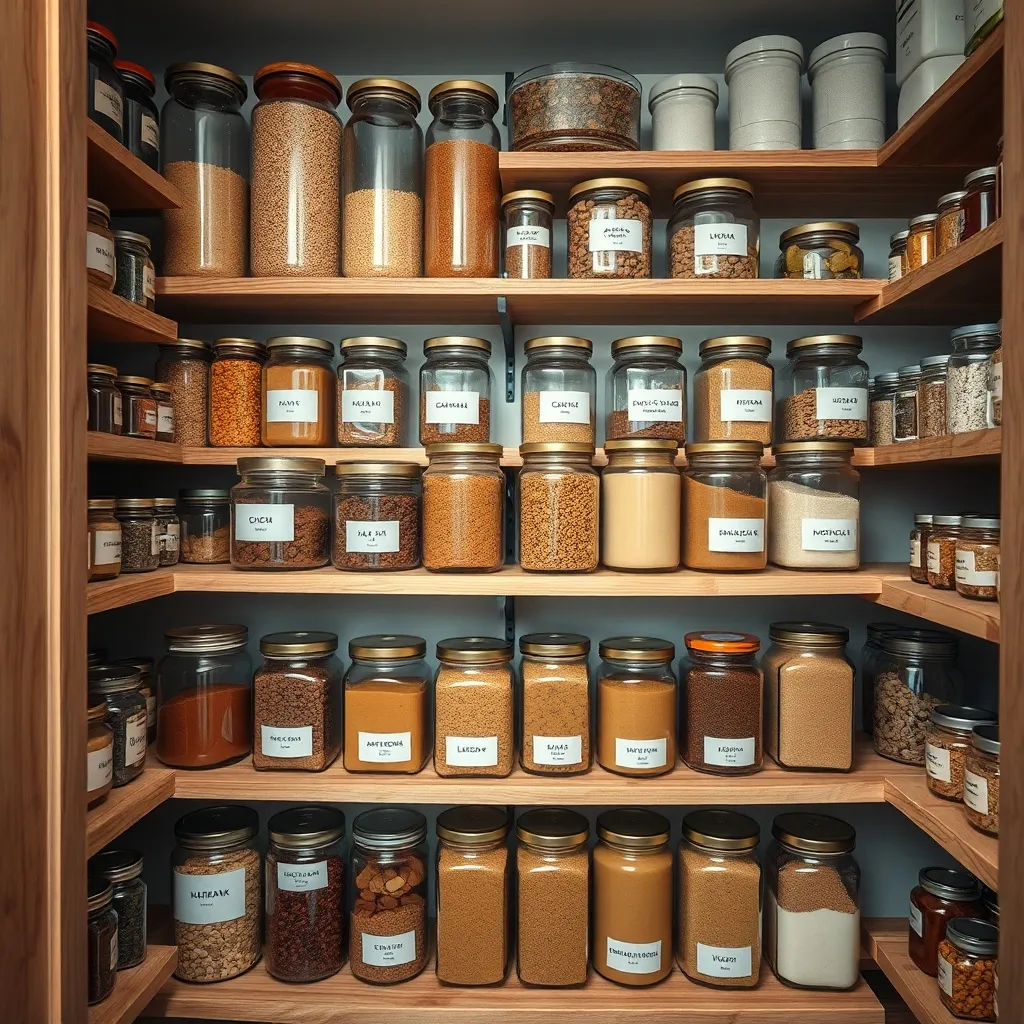
A top-down organized pantry with glass jars, wooden shelves,

Stock Audit
& Inventory

Precision in stock management is the foundation of a zero-waste household. By implementing rigorous audit protocols, we eliminate the 30% of average food waste caused by forgotten items and over-purchasing. This system ensures that every resource brought into the home is utilized efficiently before its expiration.

Explore Protocols

The Engineering of Consumption

Effective inventory management is not merely about tidying shelves; it is a systematic approach to resource conservation. By treating your kitchen like a professional supply chain, you reduce the ecological footprint associated with food production and transport. Every item that expires in your pantry represents lost energy, water, and labor. Our methodology focuses on visibility, rotation, and data-driven procurement to ensure no resource is squandered.

The process begins with a total audit. This involves cataloging every ingredient, assessing its current state, and determining its utility within your Weekly Menu Structuring. Once the baseline is established, we apply specialized storage standards to extend product longevity. Statistics show that households using inventory tracking save up to $1,500 annually by avoiding redundant purchases and spoilage.

30% Average Food Waste
12 Days Extended Freshness
100% Stock Visibility

Shelf Life Tracking Protocols

Monitoring the lifespan of perishable goods requires more than just checking "Best Before" dates. We implement the FIFO (First-In, First-Out) method, a standard in professional logistics. This ensures that older stock is moved to the front of the shelf, making it the first choice for daily cooking.

  • Mark Digital Check-ins: Log new items immediately into a tracking sheet to monitor real-time depletion.
  • Sensory Audits: Weekly visual and olfactory checks to identify items approaching the end of their cycle.
  • Image Labeling System: Use biodegradable tape to mark "Opened On" dates for sauces, grains, and frozen goods.
Analyze Waste Data
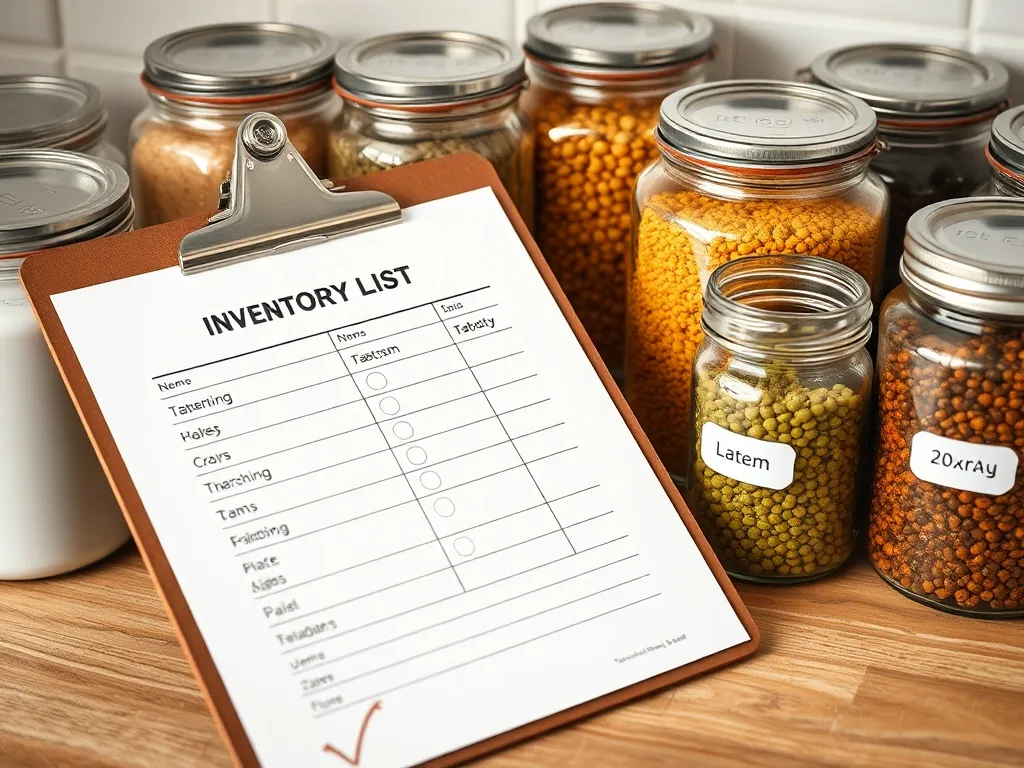
A close-up of a kitchen inventory list on a clipboard next t

Pantry Organization Protocol

Zonal Architecture

Divide your storage into specific zones based on frequency of use and environmental needs. High-rotation items like grains and oils should be at eye level, while bulk storage and seasonal items occupy lower or higher tiers.

This reduces search time and prevents "hidden" items from reaching expiration unnoticed.

Hermetic Sealing

Transitioning from original packaging to uniform glass containers isn't about style—it's about preservation. Airtight seals prevent oxidation and moisture ingress, which are the primary catalysts for spoilage in dry goods.

Clear containers allow for instant visual stock checks without opening lids.

The "Eat First" Bin

Designate a specific area for items that must be consumed within 48 hours. This focal point directs all cooking decisions toward the most urgent ingredients, ensuring nothing is lost to the bin.

This is a core component of Zero-Waste Cooking Protocols.

"Resource management is the highest form of environmental respect. A well-audited pantry is a testament to mindful living and ecological responsibility."
— Local Broom Engineering Standards

Storage Temperature Standards

Category Optimal Temp Shelf Life Goal Storage Method
Root Vegetables 7-10°C 4-6 Weeks Dark, ventilated crate
Leafy Greens 1-4°C 7-10 Days High humidity drawer
Dry Grains 18-21°C 12-24 Months Hermetic glass jars
Oils & Fats 15-18°C 6-12 Months Dark glass, away from heat

Maintaining these temperature gradients is critical. Fluctuations in heat or light can trigger premature enzymatic breakdown. For more specialized techniques, refer to our Preservation and Storage Engineering guide.

Systematic Audit Checklist

1

Clear the Deck

Remove everything from the shelf. An audit cannot be performed accurately if items remain hidden in the back. Clean the surface with eco-friendly sanitizers.

2

Categorize and Inspect

Group items by type. Check for compromised packaging or signs of moisture. Immediately prioritize items with less than 7 days of shelf life remaining.

3

Quantify and Restock

Update your stock levels in your management app or notebook. Only replenish once you have a clear deficit. This step is vital before executing Smart Procurement.

Frequently Asked Questions

How often should I perform a full audit?

We recommend a full deep audit monthly, with "mini-audits" performed weekly before your primary shopping trip to prevent over-buying.

Can I store onions and potatoes together?

No. Onions release ethylene gas which causes potatoes to sprout prematurely. Keep them in separate, well-ventilated zones within your root storage area.

What if I find items I won't use?

Consult our Community Sharing guide to redistribute safe, unopened goods to those in need rather than letting them expire.

Ready to Optimize Your Kitchen?

Transitioning to a waste-free household starts with the data. Download our technical sheets and start your first audit today. Every small adjustment contributes to a more sustainable ecosystem.